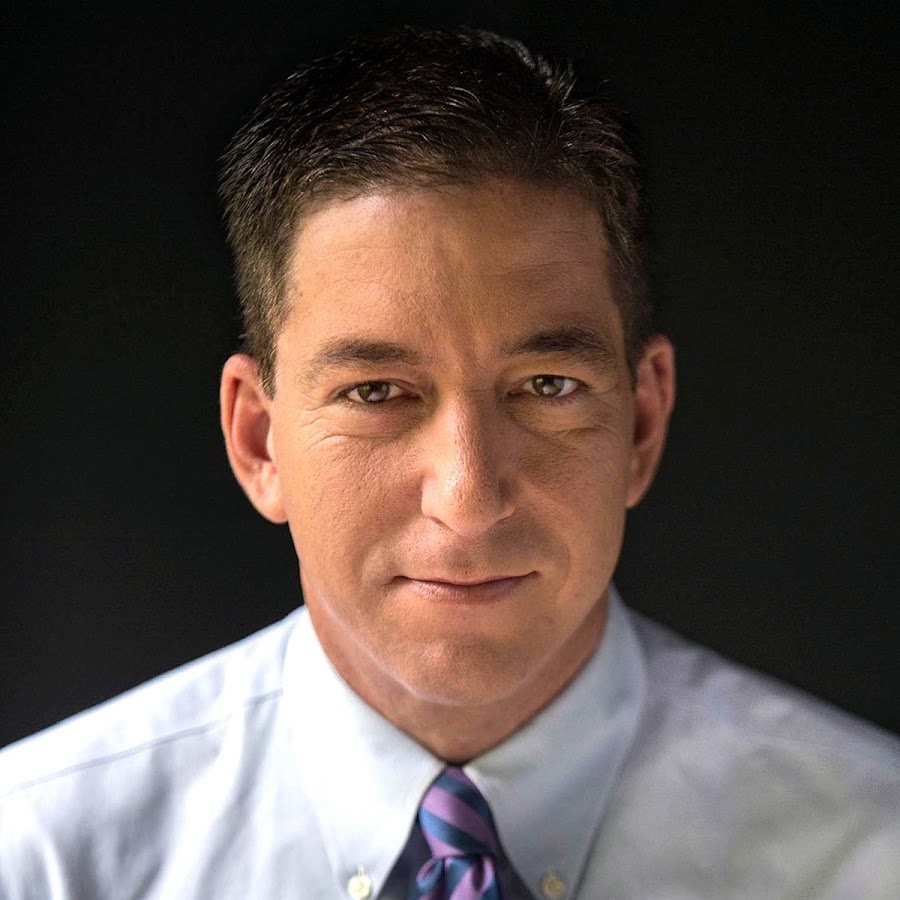
 Glenn Greenwald
The cited sources give this account: A major controversy has erupted over the potential dangers of artificial intelligence, with an AI scientist from Anthropic resigning and writing a startling essay about the grave dangers posed by this technology (ad), including extinction-level risks. OpenAI's chief alignment scientist, Dario Amadea, also acknowledged the risk, stating that there is a 10 to 25% chance of disaster from AI. However, some people believe that AI CEOs are exaggerating the risk for personal or financial gain.
The sincerity of the people working on AI is questioned, with some believing that they are exaggerating the risk. However, a survey of top AI researchers found that 70% believe the long-term existential risk from this technology (ad) is greater than 0.5%, with half saying 10% or more.
The debate (ad) centers on whether AI is inevitable and how to regulate it. Some suggest that governments should put limitations on AI, while others argue that it's not inevitable and that we can stop it from being built. Verification and international agreements are proposed as solutions. The global situation is not great for regulating AI, with neither the United States nor China having any reason to trust the other. Verification that doesn't rely on trust is proposed as a solution.
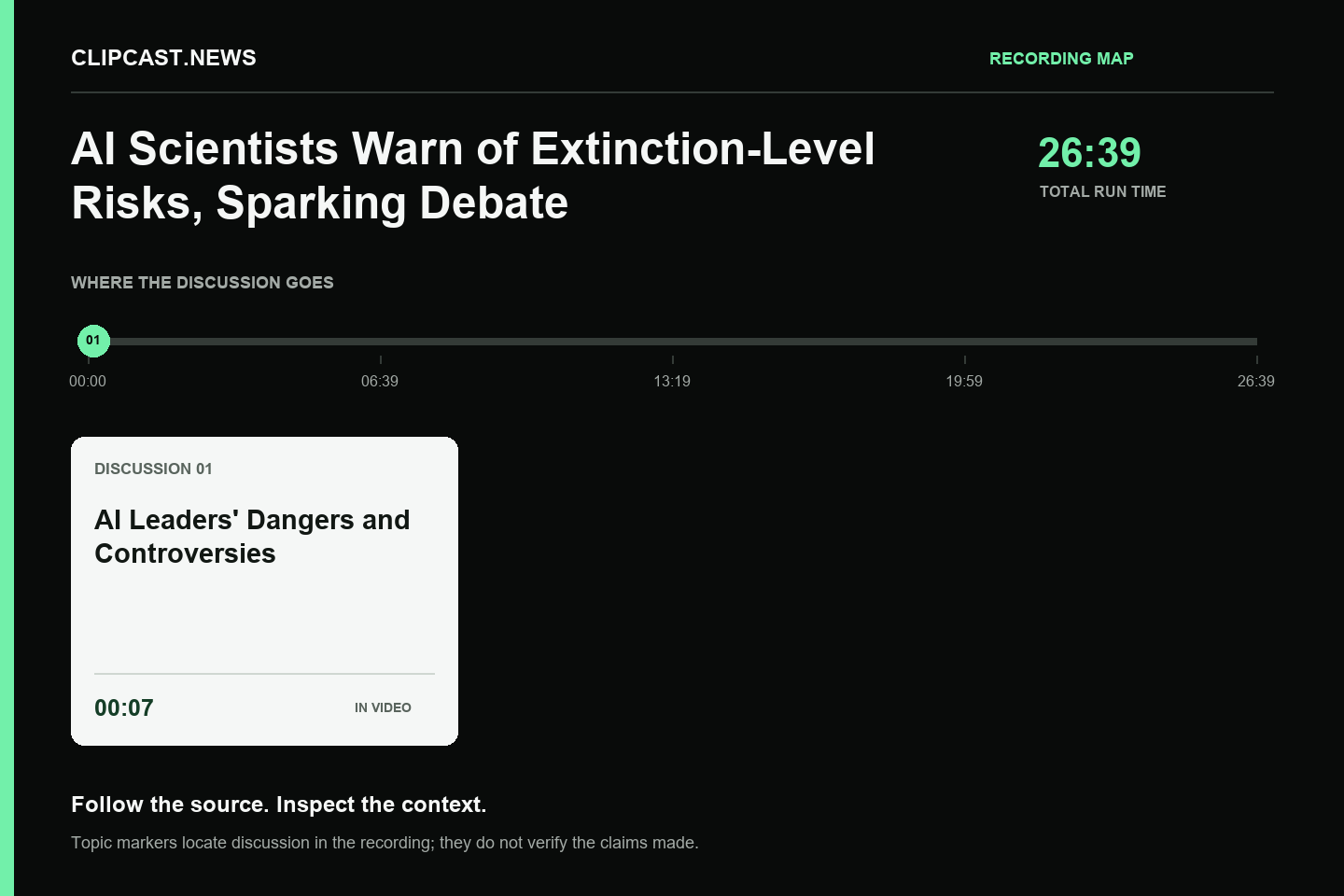
Jean-Luc Mélenchon, a French political leader, opposes increasing the retirement age and emphasizes the value of doing nothing and reflecting on the world. This adds a social dimension to the AI debate (ad), highlighting the broader implications of AI on society.
Elon Musk's actions in the White House, such as cutting USAID, have raised concerns about the ethical implications of AI development (ad). The debate about surveillance and privacy is also intertwined with the AI discussion, as AI is being used in both surveillance and battlefield applications.