Palestinian Activists Criticize NASA Documentary for Centering Israeli Voices
Palestinian activists like Ali Abduñima and Muhammad Shahada argue that the NASA documentary centers Israeli perspectives and excludes Palestinian voices, criticizing its portrayal of Israeli soldiers as heroic rather than criminal. The discussion highlights a credibility gap where Israeli claims of genocide are seen as brave, while Palestinian testimonies are dismissed as biased, reflecting broader Western biases in how different groups are perceived.
The cited sources give this account: Palestinian activists, including Ali Abduñima and Muhammad Shahada, have criticized the NASA documentary for centering Israeli perspectives and failing to include Palestinian voices. Abduñima described the film as a 'viscerally nauseating spectacle' where Israeli soldiers, shielded by anonymity, received a 25-minute standing ovation for confessing to their crimes. He argued that perpetrators should only be heard during trials, not celebrated at film festivals.
Muhammad Shahada highlighted the double standard in how Palestinian and Israeli voices are received. He noted that Israeli claims of genocide are seen as 'brave and extraordinary,' while Palestinian testimonies are dismissed as 'radical, extremist, propagandist, and anti-Summit.' Shahada emphasized that Palestinian voices are often treated as biased until Israelis say otherwise, creating a significant disparity in credibility.
The documentary, which features IDF soldiers confessing to war crimes in Gaza, has been criticized for centering the perpetrators rather than the victims. Activists argue that Palestinian journalists and activists have already documented the horrors of the conflict, and the need for Israeli confessions is seen as a way to validate the narrative for audiences who may not trust Palestinian voices. This dynamic reflects a broader issue of credibility and bias in how different groups are perceived.
ClipCast.News recording map · timestamps derived from the original recording.
Some critics argue that the film's confessions are necessary to counteract the credibility gap between Israeli and Palestinian voices. However, others, like the speaker in the discussion, suggest that the film's approach is self-indulgent and reveals a lack of genuine commitment to ending the genocide. The speaker emphasized that the real goal of such critiques is not to end the genocide but to maintain political influence and control over the narrative.
The discussion also touched on the broader issue of how different groups are perceived in the West. The speaker noted that Israelis are often seen as 'elevated and advanced,' while Palestinians are viewed as 'primitive.' This dynamic is not unique to the Israeli-Palestinian conflict and is seen in other contexts, such as allegations against the American military. The speaker argued that the film's approach reflects this bias and that the credibility of Palestinian voices is often undermined.
Published as an Opinion post because the available evidence does not establish a consistent factual verdict. Factual claims remain unverified or disputed; this classification does not turn factual assertions into opinions or establish their truth.
25 assessed statements · 0 cited passages. This stamp summarizes the assessments below, not every sentence or the creator’s trustworthiness.
Automated checks can be wrong. Posts without a supported factual verdict remain published as Opinion posts, with their factual uncertainty disclosed. How we assess claims.
Opinion
Palestinian activists, including Ali Abduñima and Muhammad Shahada, have criticized the NASA documentary for centering Israeli perspectives and failing to include Palestinian voices.
External research is disabled for this recording. The source statement is not independently verified.
opinion
Opinion
Abduñima described the film as a 'viscerally nauseating spectacle' where Israeli soldiers, shielded by anonymity, received a 25-minute standing ovation for confessing to their crimes.
External research is disabled for this recording. The source statement is not independently verified.
opinion
Opinion
He argued that perpetrators should only be heard during trials, not celebrated at film festivals.
External research is disabled for this recording. The source statement is not independently verified.
opinion
Opinion
Ali Abduñima says this on September 11th, 2026, a viscerally nauseating spectacle. Imagine SS officers shielded and protected by anonymity, getting a 25 minute standing ovation for accounting their tortures and murders.
External research is disabled for this recording. The source statement is not independently verified.
opinion
Opinion
Criminal perpetrators should only be heard of their trials, not at Gala celebrations.
External research is disabled for this recording. The source statement is not independently verified.
opinion
Opinion
Muhammad Shahada highlighted the double standard in how Palestinian and Israeli voices are received.
External research is disabled for this recording. The source statement is not independently verified.
opinion
Opinion
He noted that Israeli claims of genocide are seen as 'brave and extraordinary,' while Palestinian testimonies are dismissed as 'radical, extremist, propagandist, and anti-Summit.'
External research is disabled for this recording. The source statement is not independently verified.
opinion
Opinion
Shahada emphasized that Palestinian voices are often treated as biased until Israelis say otherwise, creating a significant disparity in credibility.
External research is disabled for this recording. The source statement is not independently verified.
opinion
Opinion
Naza is a crucial document, is crucial documentary evidence against and genocide deniers.
External research is disabled for this recording. The source statement is not independently verified.
insufficient-evidence
Opinion
We live in a frighteningly hypocritical world that applause Israelis who call out a part thought in genocide while shaming and disbelieving Palestinian to say the exact same words.
External research is disabled for this recording. The source statement is not independently verified.
opinion
Opinion
And Israeli saying genocide in apartheid is quote brave and extraordinary.
External research is disabled for this recording. The source statement is not independently verified.
opinion
Opinion
If Palestinian using the same words, it's quote radical, extremist, propagandist, anti-Summit, and uncompromising.
External research is disabled for this recording. The source statement is not independently verified.
opinion
Opinion
Palestinian testimonies and evidence are treated as quote bias exaggerated and reliable until Israelis say otherwise.
External research is disabled for this recording. The source statement is not independently verified.
opinion
Opinion
The documentary, which features IDF soldiers confessing to war crimes in Gaza, has been criticized for centering the perpetrators rather than the victims.
External research is disabled for this recording. The source statement is not independently verified.
insufficient-evidence
Opinion
Activists argue that Palestinian journalists and activists have already documented the horrors of the conflict
External research is disabled for this recording. The source statement is not independently verified.
opinion
Opinion
the need for Israeli confessions is seen as a way to validate the narrative for audiences who may not trust Palestinian voices
External research is disabled for this recording. The source statement is not independently verified.
opinion
Opinion
This dynamic reflects a broader issue of credibility and bias in how different groups are perceived
External research is disabled for this recording. The source statement is not independently verified.
opinion
Opinion
Lots of people have said, we already know all this, Palestinians told us why is it necessary for this to be ratified by Israelis before people believe it
External research is disabled for this recording. The source statement is not independently verified.
opinion
Opinion
Palestinian journalists and activists who, with great bravery, have shown us what was going on in Gaza. They testified to it. They filmed it. They showed it. There's nothing that hasn't been shown
External research is disabled for this recording. The source statement is not independently verified.
insufficient-evidence
Opinion
Some critics argue that the film's confessions are necessary to counteract the credibility gap between Israeli and Palestinian voices.
External research is disabled for this recording. The source statement is not independently verified.
opinion
Opinion
The speaker emphasized that the real goal of such critiques is not to end the genocide but to maintain political influence and control over the narrative.
External research is disabled for this recording. The source statement is not independently verified.
opinion
Opinion
The speaker in the discussion suggests that the film's approach is self-indulgent and reveals a lack of genuine commitment to ending the genocide.
External research is disabled for this recording. The source statement is not independently verified.
opinion
Opinion
Israelis are often seen as 'elevated and advanced,' while Palestinians are viewed as 'primitive.'
External research is disabled for this recording. The source statement is not independently verified.
opinion
Opinion
This dynamic is not unique to the Israeli-Palestinian conflict and is seen in other contexts, such as allegations against the American military.
External research is disabled for this recording. The source statement is not independently verified.
opinion
Opinion
The speaker argued that the film's approach reflects this bias and that the credibility of Palestinian voices is often undermined.
External research is disabled for this recording. The source statement is not independently verified.
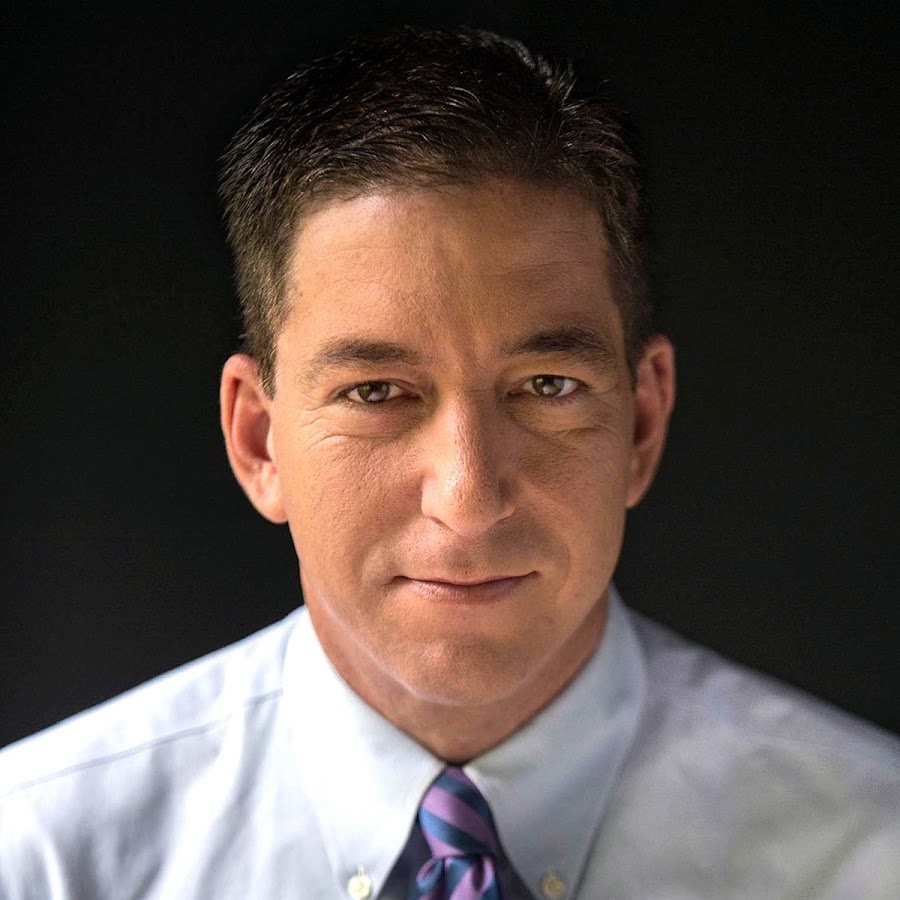 Glenn Greenwald